
Ultimate Guide To Foundation Repair Products For Homeowners
Learn about essential foundation repair options that provide reliable support and help maintain your property’s value over time.
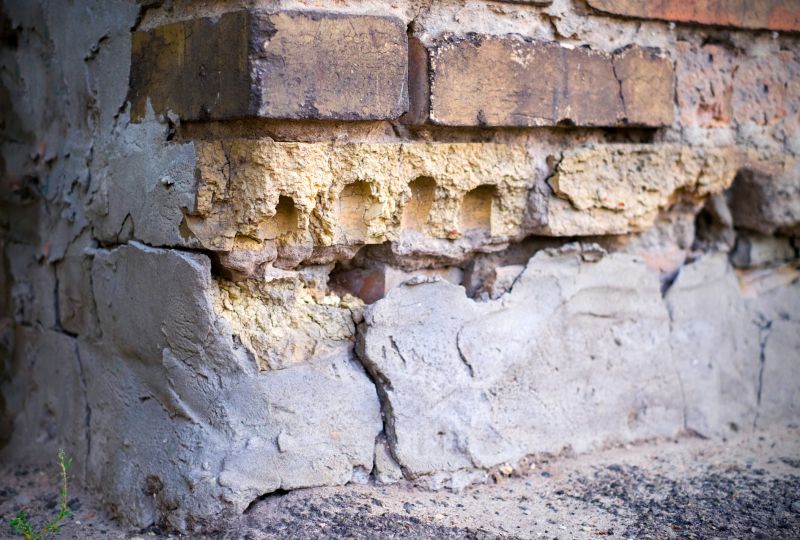 Foundation repairs are a critical aspect of maintaining the structural integrity and safety of a building. When issues such as cracking, settling, or shifting are observed, it is essential to consider a range of products designed to address these concerns effectively. These products vary from simple sealants to complex underpinning systems, each suited for different types of foundation problems and construction conditions. Proper selection and application of these solutions can help prevent further damage and extend the lifespan of a property.
Top Overall Option
Polyurethane Foam Injection System
Polyurethane foam injection systems are versatile and minimally invasive solutions suitable for a variety of foundation issues. They work by expanding beneath the foundation to lift and stabilize the structure, filling voids and cracks effectively. These systems are often favored for their quick application, minimal disruption, and ability to adapt to different soil conditions. Properly applied, they can provide a durable and flexible repair option that helps prevent further settlement or shifting.
Types of Products For Foundation Repairs
Epoxy Injection Kits
Designed for sealing cracks and restoring structural stability in concrete foundations, epoxy injection kits are suitable for small to medium cracks.
Polyurethane Foam Fillers
Used to fill voids and cracks, these expandable foams are effective for minor to moderate foundation issues.
Steel Piering Systems
Steel piers are installed beneath the foundation to provide support and lift for settling structures, especially in expansive soils.
Concrete Underpinning
This involves extending the foundation depth with concrete piers or piles to stabilize and reinforce the structure.
Mudjacking and Slab Jacking
A process that raises sunken concrete slabs using a slurry mixture, often used for driveways and patios.
Soil Stabilization Products
Chemical or mechanical methods used to improve soil strength and reduce shifting beneath foundations.
Helical Piles
Deep foundation supports screwed into the ground to stabilize and lift foundations, ideal for difficult soil conditions.
Grouting Materials
Used to fill voids or stabilize soil, grouting can be an effective component of foundation repair strategies.
Carbon Fiber Reinforcement
Applied to concrete surfaces to strengthen and prevent cracks from widening or reoccurring.
Anchor Bolts and Brackets
Used to secure framing and stabilize foundation elements in cases of shifting or cracking.
Drainage and Waterproofing Products
Prevent water intrusion and manage moisture levels that can compromise foundation stability.
Vapor Barriers
Installed beneath slabs or around foundations to control moisture and reduce soil movement.
Foundation Repair Braces
Support braces used to stabilize walls and prevent further cracking or bowing.
Grout Pumps and Injection Equipment
Tools used for precise application of grouting or foam materials during repair procedures.
Concrete Patching and Crack Fillers
Materials designed for surface repairs to cracks and minor damages in concrete foundations.
Popular Choices
Commonly used for crack sealing and structural reinforcement in concrete foundations.
Frequently selected for quick, minimally invasive void filling and crack repair.
Popular for addressing significant settlement issues with deep foundation support.
Often chosen for raising sunken slabs in driveways and walkways efficiently.
A trending surface reinforcement method for preventing crack propagation.
Gaining popularity for their ability to stabilize foundations in challenging soil conditions.
Essential components in foundation maintenance and repair, widely used for moisture control.
Commonly installed to reduce soil moisture fluctuations beneath slabs.
Frequently used to stabilize bowing or cracked walls.
Popular for filling voids and stabilizing soil in various repair scenarios.
Often selected for surface-level repairs to minor cracks.
Commonly installed to reinforce structural elements and prevent further movement.
Used increasingly to improve soil conditions before or during foundation repair.
Popular tools for precise application during professional repair work.
Chosen for deep stabilization needs, especially in severe settlement cases.
Understanding the different types of foundation repair products available can empower homeowners and contractors to make informed decisions. For minor cracks or surface issues, products like epoxy injections and polyurethane foam can provide quick and minimally invasive fixes. For more significant problems such as settling or uneven foundations, underpinning systems, piering, and soil stabilization products are often utilized. These solutions typically require professional assessment and installation to ensure safety and effectiveness.
In addition to choosing the right products, it is important to consider the specific conditions of the property, including soil type, extent of damage, and accessibility. Proper preparation and application are crucial to achieving optimal results. Regular inspections and maintenance can also help identify early signs of foundation issues, allowing for timely intervention with suitable repair products. By combining high-quality products with expert guidance, property owners can better protect their investments and maintain the stability of their structures.
Key Buying Considerations
- Assess the severity and type of foundation issue to select the most appropriate product.
- Consider the soil conditions and how they might influence repair options and durability.
- Evaluate whether professional installation is recommended or if DIY solutions are feasible.
- Check the compatibility of repair products with existing foundation materials.
- Determine the extent of damage to decide between surface repairs and deep underpinning.
- Review the product’s load-bearing capacity and flexibility for future movement.
- Ensure the chosen products meet safety standards and are approved for structural use.
- Factor in the ease of application and the time required for repairs.
- Consider the long-term maintenance needs associated with different repair solutions.
- Budget for both materials and professional services, if needed, to ensure quality work.